







Patriots and Chiefs have dominated conference championship games, with only Cincinnati Bengals breaking through in 2022.
The NFL has become one of the most predictable leagues in competitive sports. And the AFC is the perfect representation of how bad competitive balance has gotten, despite the league having a salary cap and salary floor format.
In a brutally ugly game in Colorado this past weekend, the New England Patriots advanced to Super Bowl LX by beating the Denver Broncos, 10-7. Both teams combined for under 400 yards of total offense. New England had just 65 passing yards, while the Broncos had a whopping 102, without Bo Nix. The Patriots had 3.2 yards per play, while Denver had 3.1. As ugly as it gets.
But no matter the statistics, injuries, or weather, it was a near certainty that the Patriots would win and advance. Why? Because they play in the AFC, which means it’s a near certainty that one of two teams will reach the Super Bowl.
RELATED: Drake Maye’s Potential Shoulder Injury Now The Biggest Story Heading Into Super Bowl
And that’s not an exaggeration.
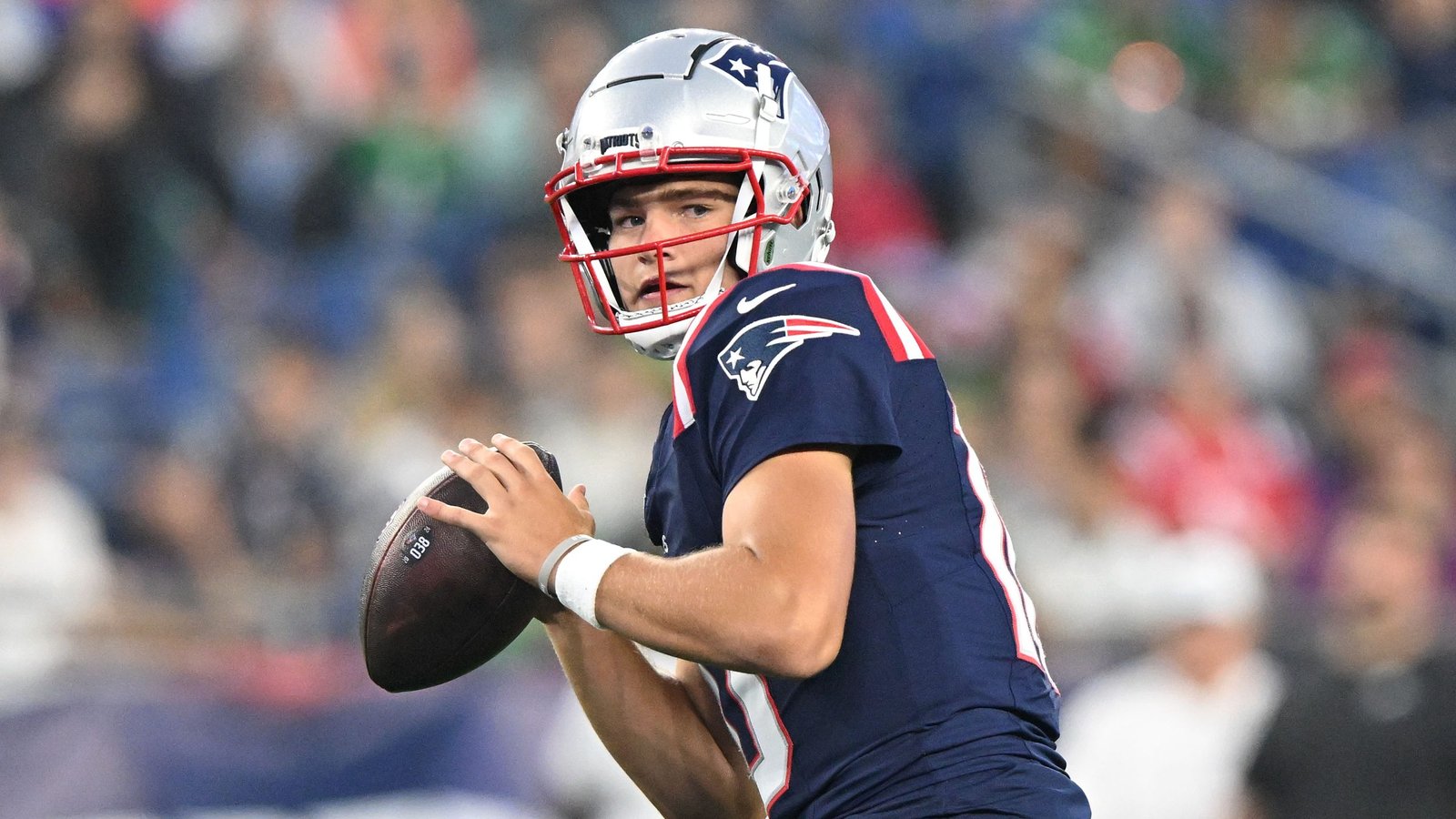
New England Patriots quarterback Drake Maye. (Photo by Danielle Parhizkaran/The Boston Globe via Getty Images)
In The AFC? It’s Almost Not Worth Showing Up
Here’s the list of the past nine teams to represent the AFC in the Super Bowl:
2026: New England Patriots
2025: Kansas City Chiefs
2024: Kansas City Chiefs
2023: Kansas City Chiefs
2022: Cincinnati Bengals
2021: Kansas City Chiefs
2020: Kansas City Chiefs
2019: New England Patriots
2018: New England Patriots
2017: New England Patriots
Notice anything? Like, for example, that in nine of the last 10 seasons, the AFC team to reach the Super Bowl has been either the New England Patriots or the Kansas City Chiefs? That’s competitive balance in the NFL for you.
How can this be, you might wonder? Well, turns out, what matters when it comes to getting more teams into the championship hunt isn’t just money, it’s organizational competence. And that organizational competence is quite clearly less variable than it seems at first glance. Obviously, having the best quarterback in the sport helps. Patrick Mahomes or Tom Brady have reached the Super Bowl almost every year over the last 10, outside 2022 and now 2026. Ironically, the salary cap, ostensibly to help competitive balance by leveling the playing field across markets, contributes to this endless dominance.
Teams keep their star quarterbacks, which leads to dynasties. With the outsized importance of one position, one player in the NFL, teams that get lucky, or correctly evaluate talent, it’s easier than any other sport to create this type of dominance. And while New England quarterback Drake Maye hasn’t exactly shown a Mahomes or Brady level of ability thus far, he’s clearly improved significantly in year two. Match up your coach, quarterback, and defensive evaluation, and you can effectively end a conference before it starts.
You’d think, even by random chance or variance, that another organization would break through this wall of predictability in the AFC. Yet it’s the same few teams, over and over and over again, reaching the Super Bowl. And while the AFC is the worst offender, the NFC isn’t much better. Starting with the 2014 season, just six of 16 teams have reached the Super Bowl from that side. One of those teams was quarterbacked by Tom Brady.
Quite simply, there’s just very little competitive balance in the NFL. The same teams show up, year after year, with one aberration, then a return to form. Would anyone be surprised if the Chiefs aren’t back in the Super Bowl next season? It might be more surprising if they aren’t.
Read the full article here