






Demagoguery causes ruin, but calm causes calm.
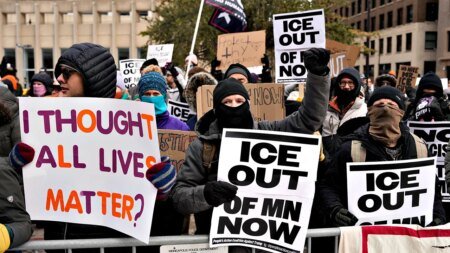
Violence and chaos are spreading, supposedly caused by the presence of ICE and CBP personnel in American cities. Crowds attack hotels where federal officers are rumored to be staying, and teams of activists chase ICE in the streets of Minneapolis, sometimes leading to tear gas and gunfire. In Minneapolis and Portland, mobs block access to federal buildings, and federal officers fight without local help to clear the gates. In a suburb in Los Angeles County this week, some federal air marshals met for dinner in a restaurant, and were soon surrounded by a mob of screaming idiots who were certain they’d caught some evil ICE Nazis. The sheriff’s department had to come lead the definitely-not-ICE federal agents to safety.
But if ICE is the cause of disorder, we should be seeing that disorder everywhere we’re seeing ICE. And one of Minnesota’s neighbors is showing us very clearly how wrong that theory is.
This week, I’ve been sending messages to state and local officials in South Dakota, asking them what kind of disorder they’re seeing during ICE operations there: activists chasing cops, federal buildings barricaded, fights and pepper spray?
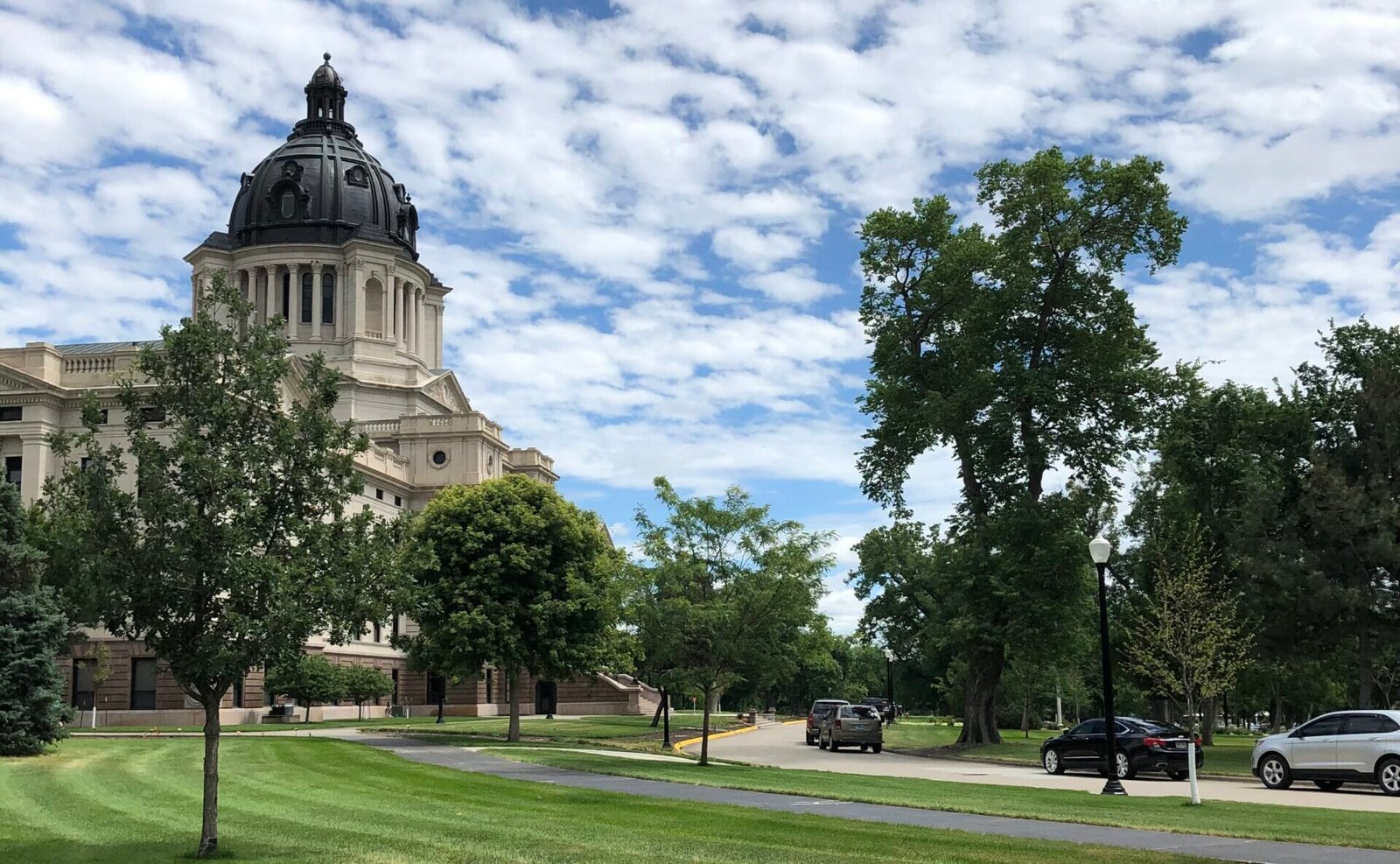
Their answers have been short and consistently dull. In the capital city, Pierre Police Chief Dusty Pelle says this, and it’s his whole answer: “We have not had any issues with any anti-ICE protests or activists.” At the state level, Department of Public Safety spokesman Brad Reiners offers this response: “We are not aware of any unlawful acts surrounding protest activity in South Dakota.” An entire state with significant ICE operations, and a sizable program of state cooperation with federal immigration officials — more about this part in a moment — has experienced no violence or disorder over the very thing that’s causing wild and sometimes deadly fights in the street in a neighboring state. South Dakota is calm and well-ordered while neighboring Minnesota is persistently in crisis.
The prevailing peace isn’t caused by an absence of protest. South Dakota has been the site of significant anti-ICE protests, including one while DHS secretary and former governor Kristi Noem gave a commencement address to graduates in her own home state. The ACLU of South Dakota regularly criticizes immigration enforcement in the state, and the organizers of the Sioux Falls Latino Festival and Parade made a point of canceling their 2025 events as an expression of concern. It’s a place were people criticize authority, loudly and often, without resorting to violence and mob rule.
I spent several days trying to get the office of South Dakota Governor Larry Rhoden to discuss the differences between Minnesota’s chaotic response to ICE and the relative calm of South Dakota, and I didn’t get a response. But there are some clues to be found.
First, following an order from Rhoden, South Dakota is cooperating with ICE, and state agencies are signing 287(g) agreements with the agency that grant state and local law enforcement “the authority to perform certain immigration enforcement functions.” (South Dakota reservations and tribal police have refused to participate.) In Minnesota, and in other Democrat-run states, state and local police frequently refuse to help federal immigration authorities at all, even when federal officers are under attack. South Dakota provides direct assistance, and trains its officers in immigration enforcement, as part of an anti-crime program called Operation: Prairie Thunder. As you can read in this detailed news story, South Dakota’s jails and prisons honor detainer requests from immigration authorities, leading to calm handovers of prisoners subject to deportation orders.
A July 28, 2025 announcement from Rhoden’s office described the details: “Our work alongside ICE boils down to this: Highway Patrol will support ICE with arrests. The National Guard will support ICE with processing and administrative functions. And DOC will support ICE with transportation, identifying illegal immigrants in our prisons, and getting them paroled to ICE custody.” ICE isn’t fighting people in the streets because South Dakota isn’t fighting.
Second, while Minnesota officials turn up the temperature with statements like Lt. Gov. Peggy Flanagan’s declaration that ICE agents are “killing us in the streets,” Rhoden has a habit of speaking with restraint. South Dakota Democrats say that Rhoden is a disappointment, which is always a good sign. Responding to questions about the death of Alex Pretti, the governor warned against the dangers of government officials “making absurd statements based on conjecture.” Instead, he said, the better choice would be to wait for clear evidence: “You owe it as a public official, you owe it to the public, and you owe it to yourself and your own moral conscience to know for a fact that what you’re speaking is the truth before you speak it.” Elected officials who speak calmly and refuse to demagogue a hot-button topic model a calm response for the people who hear them. In 2026, that’s rare enough.
But Rhoden is also capable of switching from calm to clarity and firmness, as conditions require, and his allies in the state legislature promptly responded to the storming of a Minnesota church by far-left activists with a bill to defend the right to worship: “SB 113 would make disrupting religious worship in South Dakota a felony, creating stronger consequences for anyone who interferes with religious freedoms and encouraging worshippers to gather without fear.”
Peace and calm are a choice, and South Dakota has made it. Minnesota has made the other choice, and it’s not an accident. When we can look at side-by-side states and see a dramatic difference in the political environment, order and radical disorder separated by a line on a map, reality is giving us a lesson on the costs of demagoguery and the value of steadiness. Which environment would you rather live in?
Read the full article here