







The Federal Open Market Committee (FOMC) is wrapping up its final meeting of the year today. During these meetings, the committee assesses the health of the economy and potentially adjusts the federal funds rate. Read on to learn more about the timeline for this meeting, what it involves, and expected outcomes.
The next FOMC meeting takes place on Jan. 27-28, 2025. This will be its first scheduled meeting of the year.
Once the meeting concludes, the FOMC will release its policy decisions on Wednesday at 2 p.m. Eastern time. Then the Fed chairman will hold a news conference at 2:30 p.m.
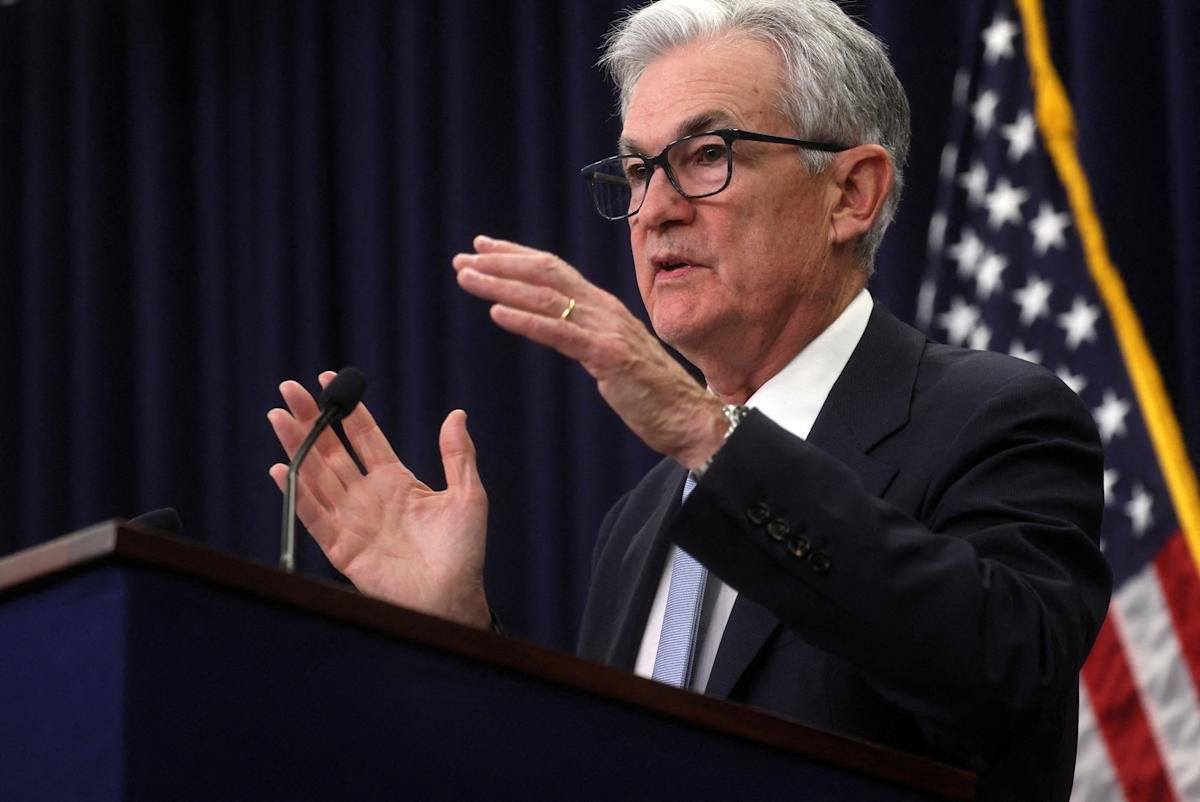
The live news conferences held by Federal Reserve Chairman Jerome Powell are livestreamed and recorded. Additionally, the minutes of regularly scheduled meetings are released three weeks after the date of the policy decision.
Knowing when the Fed meets to discuss monetary policy and tuning into those meetings can help you gain a better understanding of how the economy is doing and help you make more informed decisions about your personal finances.
The Fed is expected to hold the federal funds rate steady; the CME Group’s FedWatch tool predicts less than a 3% chance of a rate cut.
Following its last meeting, when it cut its target rate by 25 basis points, the Fed stated, “Available indicators suggest that economic activity has been expanding at a moderate pace. Job gains have slowed this year, and the unemployment rate has edged up through September. More recent indicators are consistent with these developments. Inflation has moved up since earlier in the year and remains somewhat elevated.”
That said, it’s impossible to predict with certainty when the Fed will make cuts and by how much. But it’s a good idea to be prepared.
Ahead of future Fed meetings — and possible rate cuts — consider taking the following steps to shore up your finances:
-
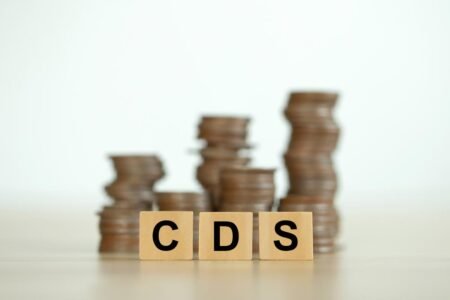
Lock in today’s high rates: Certificates of deposit (CDs) currently offer attractive fixed rates, some as high as 4% or more. Securing a CD now can protect your returns before potential rate cuts diminish your interest-earning power. However, be sure to choose a term that fits your savings timeline. Locking in your money for too long could mean incurring early withdrawal penalties if you need to pull out cash before the CD matures. Plus, if the Fed eventually increases rates, you don’t want to be stuck earning a lower yield.
-
Consider refinancing soon: If you have a fixed-rate loan — such as a car loan, private student loan, or mortgage — refinancing could help you save money. But you may want to wait for the Fed to cut rates again before applying. In the meantime, work on ensuring you qualify for the best rates and terms available by improving your credit and paying down other debts.
-
Time large expenses strategically: If you’re considering a big-ticket purchase like a home or vehicle, it’s a good idea to keep an eye on interest rate trends. If you plan on securing financing, again, you may want to wait and see if interest rates get cut first. Until you’re ready to make your purchase, consistently set aside savings in a sinking fund so you can put more money down and take out a smaller loan.
Read more: A look at the federal funds rate over the past 50 years: How has it changed?
Read the full article here