











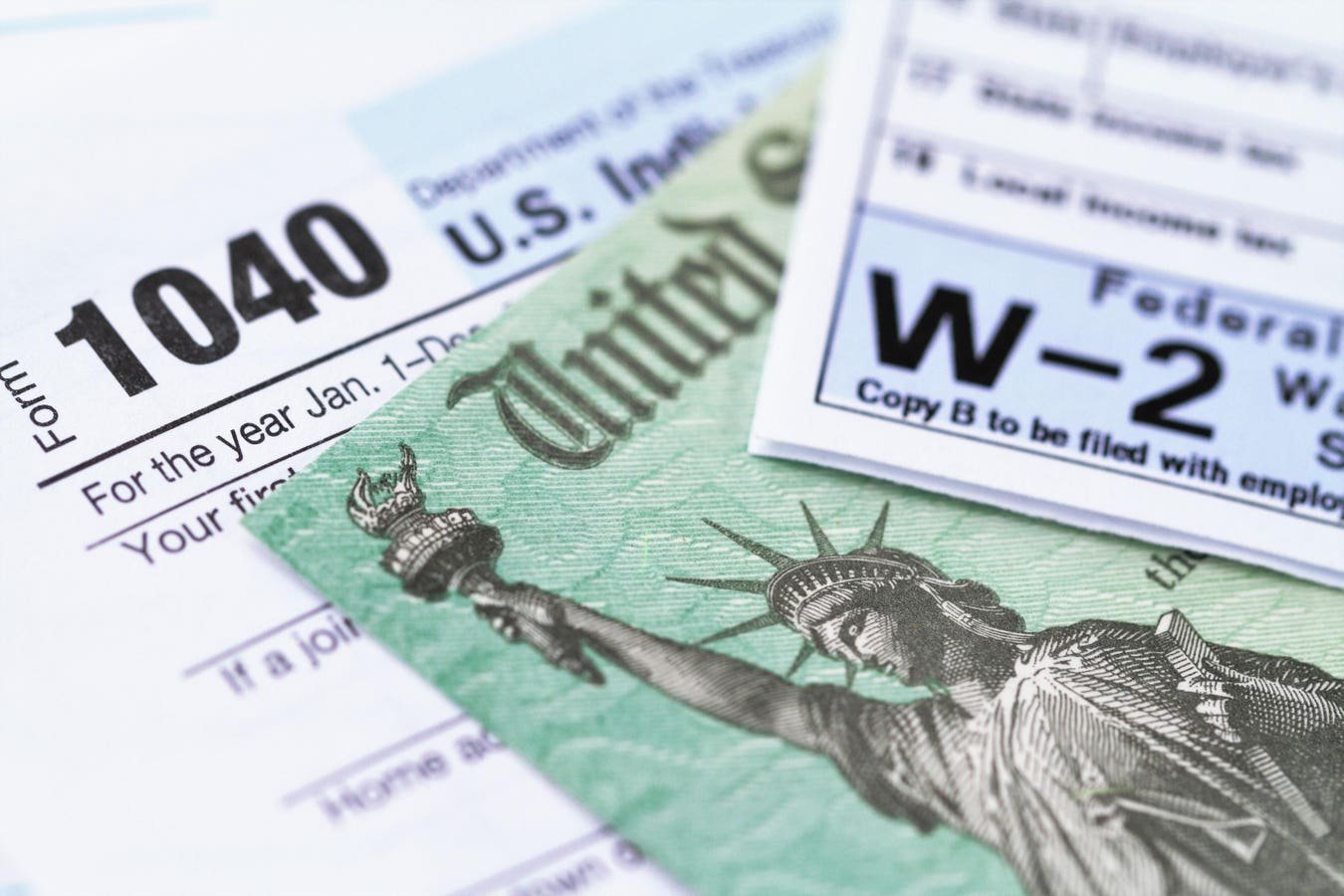
With the official kick-off of tax filing season, the Trump Administration and congressional Republicans are touting what they predict will be an average $1,000 increase in tax refunds this year. But many taxpayers, and those hopeful politicians, may be sorely disappointed.
GOP lawmakers designed last summer’s big tax and spending bill to maximize this spring’s refunds, hoping that the income hike will juice the economy and win over voters in the November elections.
They made several new tax cuts retroactive to tax year 2025, so they will show up in this year’s returns. Plus, the IRS delayed new withholding tables so those tax cuts would be reflected in more visible refunds rather than in smaller increases in weekly take-home pay.
Most of the $4 trillion in tax cuts over the next decade extended tax breaks that were first passed in 2017 but were due to expire at the end of 2025. Taxpayers would have noticed no change in their tax bills from those provisions.
Targeted Tax Cuts
But the measure also included a long list of highly targeted tax cuts, mostly at the request of President Trump. The law cut taxes on tips and overtime, modestly increased the child tax credit, created new tax deductions for some seniors and for interest on auto loans, and significantly hiked the maximum SALT deduction for state and local taxes. It also increased the standard deduction.
But each of these tax cuts benefits a relatively small number of tax filers. If you have the right job, earn the right amount of income, or are in the right demographic group, you may benefit. But millions of households won’t have a winning ticket in this tax cut lottery and get little or no largesse at all.
Don’t confuse a bigger refund with a tax cut. If you adjusted your withholding or estimated tax payments in 2025 to reflect changes in your tax bill, you may receive a tax cut but won’t get a refund. The Administration tried hard to discourage that, but didn’t always succeed.
Refunds are important, especially to low-income households who often count on them to make big purchases. But what really matters is your total tax.
And that’s where the 2025 tax bill’s impact was so variable.
Not Quite “No Tax On Tips”
Take the provision that Trump described as “no tax on tips,” which implies every tipped worker will pay less in tax on tips in 2025 than in 2024. But that is highly misleading.
Many tipped workers make so little money that they already pay no income tax. Say you are an unmarried college student working as a part-time restaurant server. If your income is less than $15,750 (the standard deduction), you already owe zero income tax. The new exemption for tips does you no good at all.
The Tax Policy Center estimates that only about 3% of all workers will benefit from the “no tax on tips” provision. And only about 60% of tipped workers will benefit. All tipped workers still must pay payroll taxes on their gratuities.
Same with no tax on overtime. The exemption is only for premium pay in excess of your regular wages, so if you get time-and-a-half for OT, you only get to deduct the “half.” And you’re limited to a maximum deduction of $12,500 ($25,000 if you file jointly). Plus, the deduction phases out starting at $150,000 in income. TPC figures about 9 percent of households benefit from this one.
Seniors And SALT
Similarly, the new senior deduction and the higher SALT deduction cap disappear at higher incomes. More importantly, millions of low-income households will get nothing from these tax cuts because they already make so little that the pre-2025 standard deduction already eliminated their income tax liability. Many others pay less state and local tax than the old deduction limit of $10,000. The extra SALT deduction sounds great, but it is useless for many tax filers.
TPC estimates only about half of older adults will get any benefit from the senior deduction. Among all seniors, the average household benefit for 2025 is about $450. Those making about $24,000 or less get no tax cut at all on average.
Overall, TPC estimated that while last year’s tax measure will reduce the average household’s 2025 tax bill by an average of about $800, low-income households will get an average tax cut of about $40. Middle-income households will get an average of about $640.
Keep in mind this is their total tax cut and will not necessarily be reflected in a higher refund.
Higher Tariffs And Insurance Premiums
Also remember, any refund reflects only the income tax changes in the 2025 legislation. Two other major 2025 policy decisions will offset, and in many cases more than offset, the benefit of the tax law on US households.
The first is the big increase in tariffs imposed by President Trump. While it is difficult to keep up with the president’s ever-changing import taxes, TPC estimated that as of December, his tariffs would reduce household income by an average of $2,100 this year. That is twice the promised average increase in refunds.
The second is the significant boost in 2026 Affordable Care Act health insurance premiums because Trump and Congress have been unable to agree on extending subsidies that expired at the end of 2025. According to the non-profit research group KFF, the 22 million households that rely on ACA premium subsidies are paying an average of about $1,000 more than had the enhanced subsidies been extended.
Bottom line: While many households will see higher refunds this winter and spring, they may be far smaller than they are being promised. And after taking into account tariffs and higher ACA insurance costs, even many of those families will be worse off as a result of other recent policy changes.
Read the full article here