







From repayment, to collections, to loan forgiveness, student loans have been buffeted by major changes during the last year. And implementation of those changes has occurred in jarring fits and starts. But due to a combination of legal battles, policy decisions, and administrative challenges, there are now three major student loan pauses in effect, impacting millions of borrowers.
Some of the pauses on student loans may offer borrowers temporary relief, while others are simply injecting even more uncertainty into an already tumultuous landscape. Here’s a breakdown of the three most significant student loan pauses that are currently active, and what they mean for borrowers.
Student Loans Still Paused Under SAVE Plan, But Not For Much Longer
Student loans that were enrolled in the SAVE plan remain on pause due to an administrative forbearance that went into effect nearly 18 months ago. The SAVE plan is a new income-driven repayment plan that was created under the Biden-Harris administration that provided lower payments and a path to faster student loan forgiveness. The administrative forbearance is in place due to a court order that enjoined, or blocked, the SAVE plan (but did not technically overturn it) while a legal challenge brought by the state of Missouri and several other Republican-led states continued.
The SAVE plan forbearance has paused payments for borrowers who had enrolled their federal student loans in the program (or had applied to SAVE). The forbearance also stopped interest from accruing on those loans, although the Trump administration restarted interest accrual last August. However, the forbearance also has paused progress toward eventual student loan forgiveness for income-driven repayment and for Public Service Loan Forgiveness, or PSLF.
“You are in a general forbearance, unless you obtained a different status (for example, deferment), because your loan servicer is not currently able to bill you at an amount required by the court injunction,” explains the Education Department in online guidance. “You will be in this forbearance until servicers are able to accurately calculate monthly payment amounts or the court reaches a decision on the availability of the SAVE Plan. Borrowers will be informed of any further change to this litigation-related forbearance. Under this general forbearance, you don’t have to make your monthly payments on your student loans; interest does accrue, starting Aug. 1, 2025; and time spent doesn’t provide credit toward Public Service Loan Forgiveness (PSLF) or IDR.”
The SAVE plan forbearance may not last much longer, however. In December, the Education Department entered into a settlement agreement with Missouri and the other states that brought the original legal challenge. And under the terms of that settlement agreement, the SAVE plan will end, new enrollments will cease, and borrowers with student loans covered by the forbearance will be forced back into repayment again.
“On Dec. 9, 2025, the U.S. Department of Education (ED) announced a proposed settlement agreement with the state of Missouri that would end the Saving on a Valuable Education (SAVE) Plan,” says the department on its website. “As part of the proposed settlement agreement, which is pending court approval, ED would not enroll any new borrowers in the SAVE Plan, deny any pending SAVE applications, and move all SAVE borrowers into available repayment plans.”
The settlement is still pending court approval, so for now, nothing is changing as the parties wait for a federal judge to review and ultimately approve the agreement. That could happen at any time. But observers expect that once the settlement agreement has received formal approval, borrowers with affected student loans will be quickly forced to select a different repayment plan, or the Education Department will choose for them.
“The settlement does not say how soon borrowers will have to move out of the SAVE plan,” said the National Consumer Law Center in a blog post last month explaining the settlement agreement. “In its press release, the Department of Education said that borrowers in SAVE will have ‘a limited time’ to select a new repayment plan. The Department has not said what repayment plan the Department will move borrowers into if they do not select a new repayment plan.”
The Education Department encourages borrowers with student loans covered by the SAVE plan forbearance to start evaluating their repayment plan options now. That may be a good idea, as the department is already struggling with significant IDR application backlogs that may be dwarfed by a surge of new applications once the SAVE plan settlement agreement is approved.
Temporary Collections Pause For Defaulted Federal Student Loans
Separately, the Education Department announced earlier this month that it would be abruptly pausing collections efforts against borrowers with defaulted federal student loans. The government has a vast array of collections powers that it can deploy against defaulted borrowers, including seizing their federal tax refunds and garnishing their wages, all without a court order. And the department had been primed to do so. Many defaulted student loan borrowers had already received Treasury Offset notices (the first step to seizing a borrower’s tax refund), and the department was expected to send out the first wage garnishment notices in five years sometime this month.
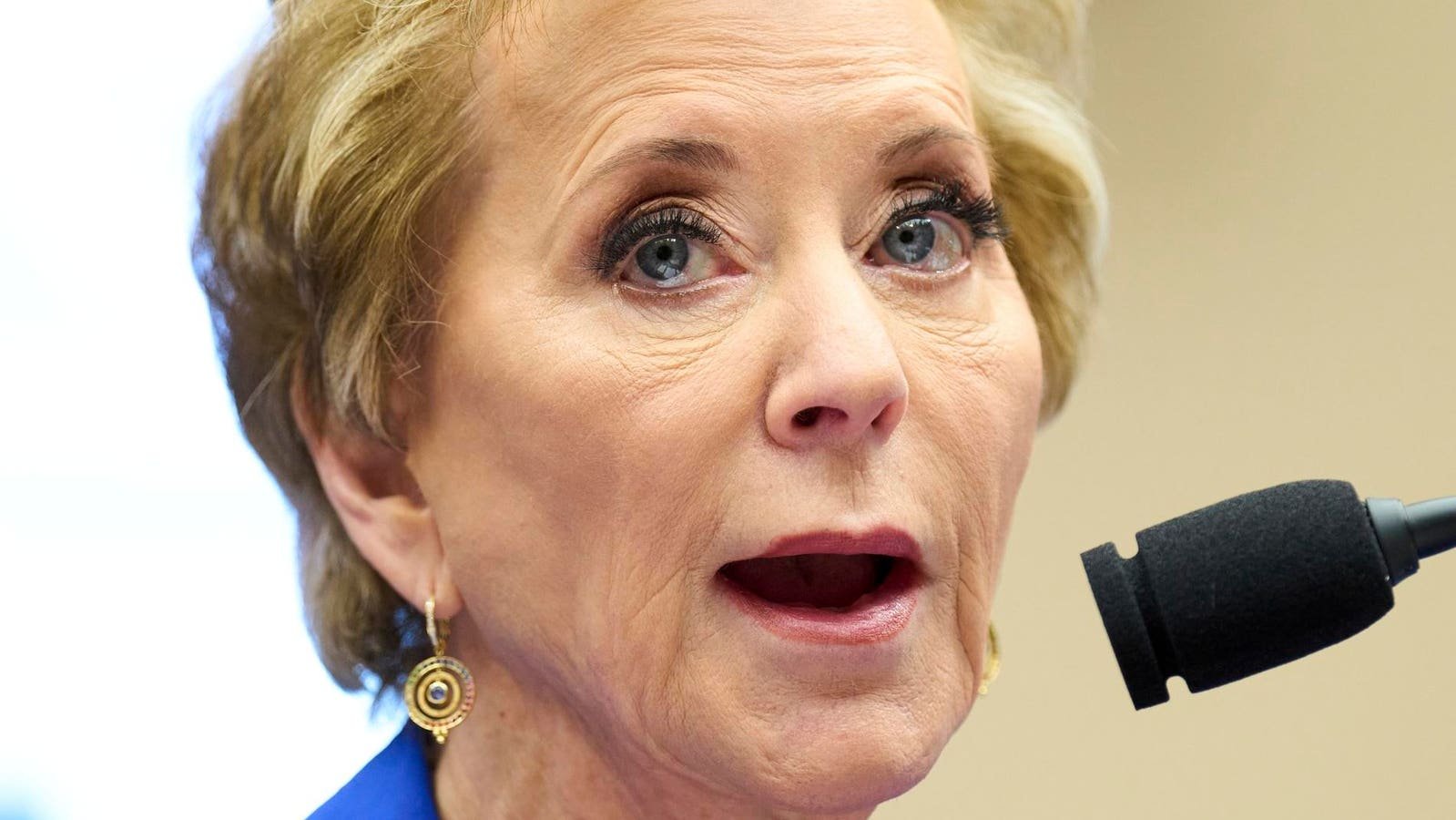
But last week, the department unexpectedly reversed course, with Secretary of Education Linda McMahon indicating at a press conference that these collections activities for defaulted federal student loans would be temporarily paused.
“The temporary delay will enable the Department to implement major student loan repayment reforms” under the One Big, Beautiful Bill Act, said the department in a subsequent statement. Those reforms include rolling out a new income-driven repayment plan.
Advocacy groups for student loan borrowers celebrated the announcement of the pause on student loan collections, but cautioned that the suspension is temporary. Collections efforts for defaulted federal student loans are bound to resume again.
“While this is a welcome first step, this is only a temporary pause,” said Natalia Abrams, President and Founder of the Student Debt Crisis Center, in a statement following the department’s announcement. “The Department of Education must offer comprehensive student loan debt relief, and agree to stop all collections practices moving forward.”
The Education Department encouraged borrowers to use the collections pause as an opportunity to evaluate their options for getting their student loans out of default, and noted that negative credit reporting associated with the defaulted loans would continue.
“During the delay, the Department encourages borrowers in default to explore their options for resolving their defaulted student loans with the defaulted federal loan servicer,” said the department in its announcement. “The Department reports student loan defaults to credit reporting agencies, which may adversely impact borrower credit reports.”
Pause On Forgiving Certain Student Loans Under Income-Driven Repayment
There is also a temporary pause on processing student loan forgiveness under certain income-driven repayment plans. And the department is laying the blame on a combination of technical limitations and legal constraints.
First, the department indicated in a court filing last month that it is currently not able to process student loan forgiveness for borrowers who have reached the 2o- or 25-year threshold for a discharge under the PAYE and ICR plans, two income-driven repayment plans that cancel any remaining student loan balance at the end of their respective repayment terms. The department indicated in the court filing that it is working to update its systems and hopes to complete this work by February, at which point student loans can (hopefully) start getting forgiven under these plans. So far, borrowers have been able to receive student loan forgiveness under the IBR plan, but not ICR or PAYE.
Second, the department indicated that it is unable to forgive student loans under any income-driven repayment plan (including IBR, ICR, and PAYE) for any borrower who reached their eligibility threshold during or after April 2025. This is when a new, expanded injunction was issued by a federal appeals court in the SAVE plan litigation, and the department has interpreted this court order in a way that is scrambling its ability to accurately count borrowers’ qualifying payments toward loan forgiveness. It is unclear if this contention will go unchallenged; but for now, the department is indicating that once the SAVE plan settlement has been approved and the associated injunction on the SAVE plan is lifted, borrowers who reached student loan forgiveness eligibility during or after April 2025 under IBR, ICR, and PAYE will be able to receive a discharge. It’s just a bit unclear when exactly that will happen, however.
Read the full article here