










The Federal Reserve on Wednesday announced it will leave interest rates unchanged, breaking a streak of three straight rate cuts amid uncertainty over the labor market and inflation.
Fed policymakers voted to leave the benchmark federal funds rate unchanged at its current range of 3.5% to 3.75%. The move follows three successive 25 basis point rate cuts in September, October and December to close out last year.
Economic data showing a slowdown in the labor market along with inflation continuing to run hotter than the Fed’s 2% target prompted policymakers to put rate cuts on pause, after they were deeply divided over the decision to cut in December.
The Federal Open Market Committee (FOMC) voted 10-2 in favor of leaving rates unchanged, with dissents by Fed Governors Stephen Miran and Christopher Waller, who were in favor of 25 basis point cuts.
Miran has been supportive of deeper cuts than the FOMC has favored since he joined the board while taking leave from his role in the Trump administration. His term at the Fed is set to expire on Saturday. Waller is viewed as a potential nominee for Fed chair and last dissented from an FOMC decision in July, when the Fed held rates steady.
The FOMC’s statement noted that data shows the economy “expanding at a solid pace,” adding that, “Job gains have remained low, and the unemployment rate has shown some signs of stabilization. Inflation remains somewhat elevated.”
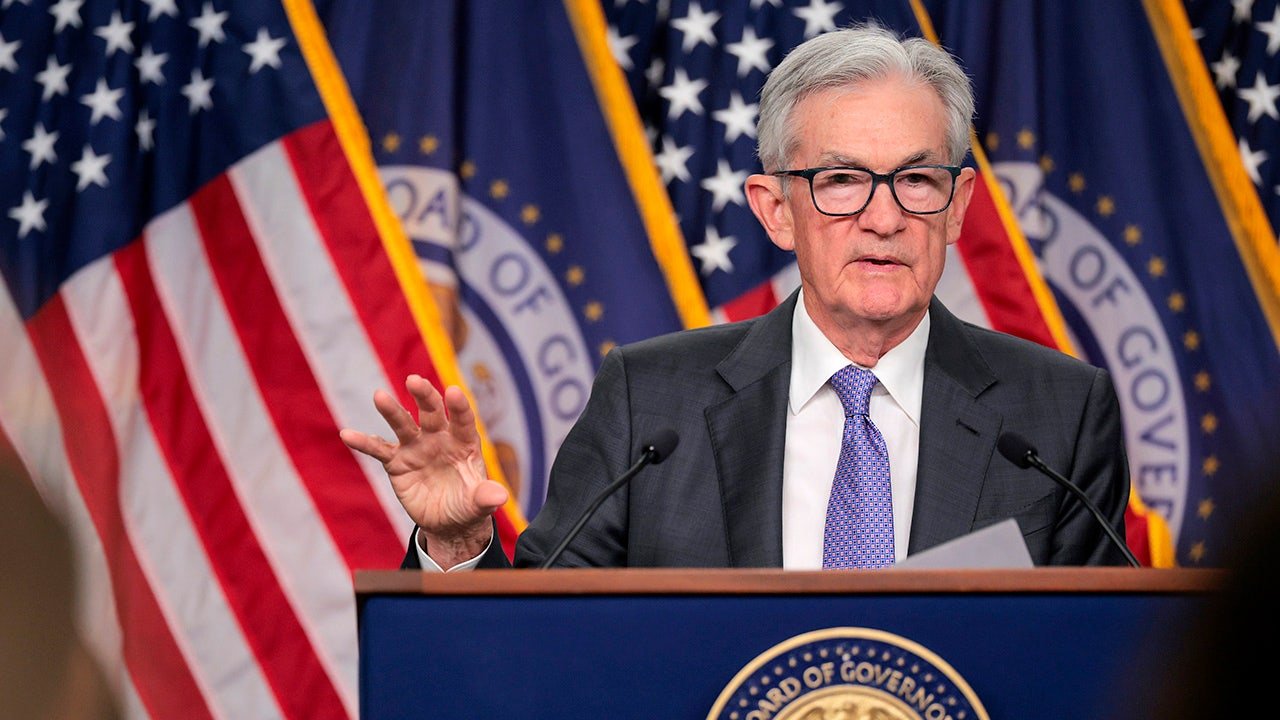
Federal Reserve Chair Jerome Powell said at a press conference that after policymakers lowered rates by 75 basis points at the prior three meetings, they “see the current stance of monetary policy as appropriate to promote progress toward both our maximum employment and 2% inflation goals.”
Powell noted that the labor market has shown signs of stabilizing as the last three jobs reports showed average declines of 22,000 jobs per month, though the private sector added 29,000 jobs per month in that period. He added the slower growth in the labor supply was due to lower levels of immigration and labor force participation as well as softening demand for labor.
The Fed chair also said that inflation remains elevated, with the personal consumption expenditures (PCE) index up 2.9% over the past year through December. He explained that “elevated readings largely reflect inflation in the goods sector, which has been boosted by the effects of tariffs,” while in contrast the services sector has seen disinflation.
This is a developing story. Please check back for updates.
Read the full article here